How to Order Custom Luxury Rigid Boxes with Low MOQ (300 pcs) & DDP Shipping to the USA
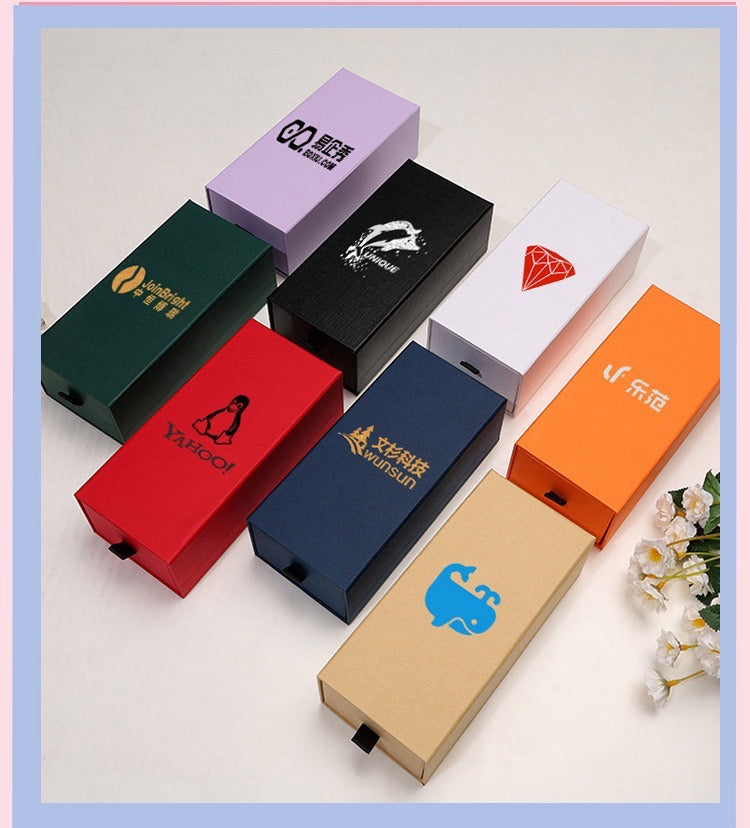
Custom rigid boxes are a packaging investment, not a commodity purchase. They protect the product, communicate brand positioning and often become part of the unboxing experience. That is why the cheapest quotation is rarely the cheapest outcome.
For US buyers, the two questions that shape the whole project are minimum order quantity and landed cost. A supplier may quote an attractive unit price, but if the MOQ is too high or the shipment arrives with unexpected duty and clearance charges, the budget breaks.
This guide walks through the ordering process for low-MOQ rigid boxes, with a practical focus on 300-piece runs and DDP delivery to the United States.
Start with the structure, not the artwork
A rigid box is defined by its structure before it is defined by printing. Choose the structure based on how the customer opens the box and what the product needs.
Common structures
- Drawer box with ribbon pull — strong for jewellery, apparel accessories and premium sets.
- Magnetic folding box — flat-packed shipping and a clean opening experience.
- Hinged lid box — classic presentation, suitable for cosmetics and gift sets.
- Book-style rigid box — high perceived value, often used for documents, certificates and premium kits.
Each structure has different material usage, assembly steps and flat-pack capability. If freight cost matters, ask whether the box ships assembled or flat-packed. A flat-pack design can reduce volume significantly, but may add assembly labour at your facility.
Set a realistic low MOQ
A 300-piece run is achievable for many standard structures, but it is not universal. MOQ depends on:
- Box dimensions
- Surface paper and greyboard specification
- Printing method
- Foil, embossing or spot UV requirements
- Insert complexity
- Whether the design is fully custom or adapted from an existing mould
Suppliers sometimes quote a low MOQ for a simple box, then add charges for inserts, special paper or finishing. Ask for the MOQ of the complete configuration, not only the outer shell.
Why 300 pieces is a sensible test volume
For a new brand or a new SKU, 300 pieces is often enough to test photography, customer feedback and fulfilment handling without committing to a large inventory. It also gives you a real production sample rather than a hand-made prototype. Treat it as a validation run, not as proof that every future order will carry the same unit cost.
Prepare artwork that survives production
Artwork problems are one of the most common causes of delay. The file that looks perfect on a screen can fail on a rigid box because of bleed, dieline, material stretch or finishing overlap.
File basics
- Supply vector logos in AI, PDF or EPS where possible.
- Convert all fonts to outlines.
- Use the supplier's dieline, not a template drawn from memory.
- Add bleed according to the dieline specification.
- Mark foil, embossing and spot UV as separate layers.
- Keep critical text away from folds, hinges and cut lines.
Colour decisions
Pantone spot colours are more predictable than screen RGB values. If your brand colour must be exact, ask for a physical draw-down or a sample under the production printing method. Paper texture and laminate finish can shift perceived colour even when the ink formula is correct.
Always approve a physical sample
A digital proof cannot show everything. A physical sample lets you check:
- Greyboard thickness and corner stiffness
- Magnetic closure alignment
- Hinge strength
- Surface paper texture
- Foil registration
- Insert fit
- Ribbon, handle or pull-tie durability
For a 300-piece run, a paid sample is a small cost compared with reprinting the full order. If your supplier cannot produce a sample that matches the agreed specification, treat that as a signal before moving to bulk.
Understand the real cost drivers
A rigid box quotation usually combines several cost layers:
- Structure and size — larger boxes use more board and surface paper.
- Material grade — specialty paper, textured stock and thicker board raise cost.
- Printing and finishing — foil, emboss, deboss and spot UV each add setup and process cost.
- Inserts — foam, paperboard or molded pulp inserts add tooling and assembly time.
- Packaging — individual polybags, cartons and protective outer packing.
- Freight and duty — especially important for US-bound orders.
When comparing quotes, ask each supplier to price the same complete specification. Otherwise you are comparing different products.
DDP shipping to the USA: what to confirm
DDP means Delivered Duty Paid. In principle, the seller handles transport, customs clearance and duties, and delivers to the agreed address. For a US buyer, this turns a variable import cost into a predictable landed cost.
Before paying, confirm:
- Whether the quote covers door-to-door delivery to a commercial address.
- Whether residential delivery, liftgate or appointment service costs extra.
- Which Incoterm is written on the invoice.
- The estimated transit time after production is complete.
- What documents you receive for customs and accounting records.
- Who is responsible if a shipment is held or requires additional information.
DDP does not remove the need for clear communication. It simply assigns responsibility. Give your supplier the exact delivery address and contact details, and confirm cut-off times before final payment.
A practical ordering checklist
Use this sequence for a first low-MOQ project:
- Define product dimensions and required inserts.
- Choose a structure: drawer, magnetic folding, hinged or book style.
- Confirm 300-piece feasibility for the full specification.
- Request a dieline and a quotation based on it.
- Prepare vector artwork on the supplied dieline.
- Approve a physical sample and record any changes.
- Confirm DDP terms, delivery address and transit window.
- Start production only after sample and artwork sign-off.
- Inspect the first production carton before the whole order ships.
Mistakes that cost time and money
Changing the insert after sample approval. An insert change can alter assembly time and freight volume. Treat it as a new specification.
Assuming all magnetic boxes ship assembled. Many fold-flat designs save freight but require assembly. Confirm the format.
Using a household address for a DDP quote. Residential surcharges can appear later if the delivery address was not declared upfront.
Chasing the lowest unit price. A poorly finished box can damage the product and the brand experience. Compare complete specifications and sample quality.
Final thoughts
Low-MOQ rigid box ordering works best when you narrow the specification early and validate it with a physical sample. A 300-piece run is a sensible way to enter a new packaging program, provided the quote covers the complete box, inserts, finishing and DDP delivery terms.
Treat the first order as a learning cycle. Record what worked, what slowed production and what customers noticed. The next order will be faster, cleaner and easier to budget.
Hold the structure in your hands before the 300-piece run
- One custom box sample made to your agreed specs, including size and material notes
- $50 flat price with air shipping included — no waiting for a manual quotation
- Check greyboard thickness, magnets, hinges and surface finish before bulk production
Frequently asked questions
What is a realistic minimum order quantity for custom rigid boxes?
Many suppliers start around 300–500 pieces per design, depending on structure, printing method and material. Confirm the MOQ for your exact size and finish before budgeting.
What does DDP shipping to the USA include?
DDP means the seller arranges transport, customs clearance and payment of duties before delivery. Ask whether the quoted price covers a commercial address, residential surcharges and the expected delivery window.
Should I approve a physical sample before bulk production?
Yes. A physical sample is the only reliable way to check colour, material feel, hinge strength and magnetic closure alignment before committing to a full run.
Which artwork files are usually required?
Vector files such as AI, PDF or EPS are preferred for logos and line art. High-resolution images can be used for photography, but should be supplied at final size with bleed and clear dieline markings.
Related products
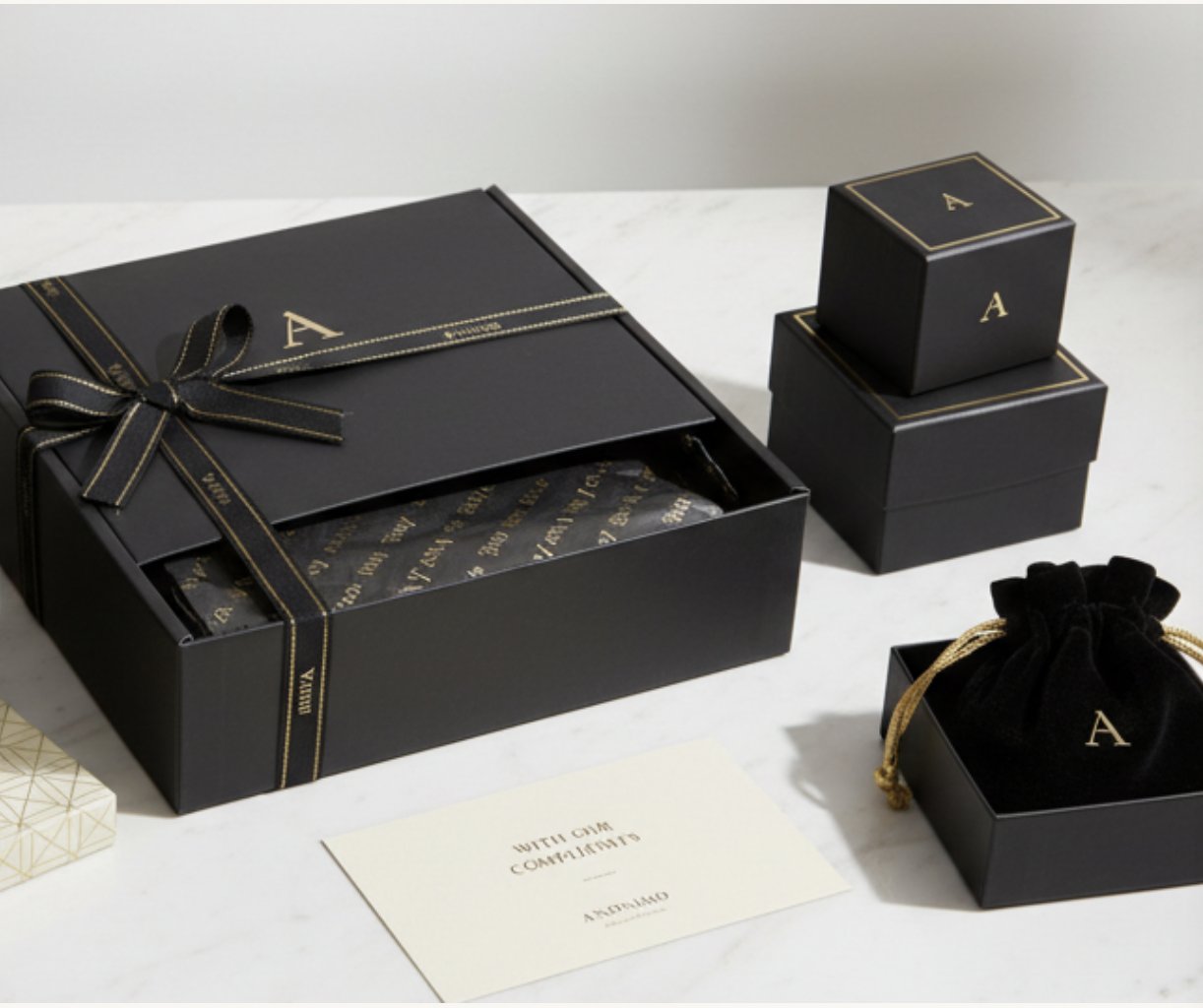
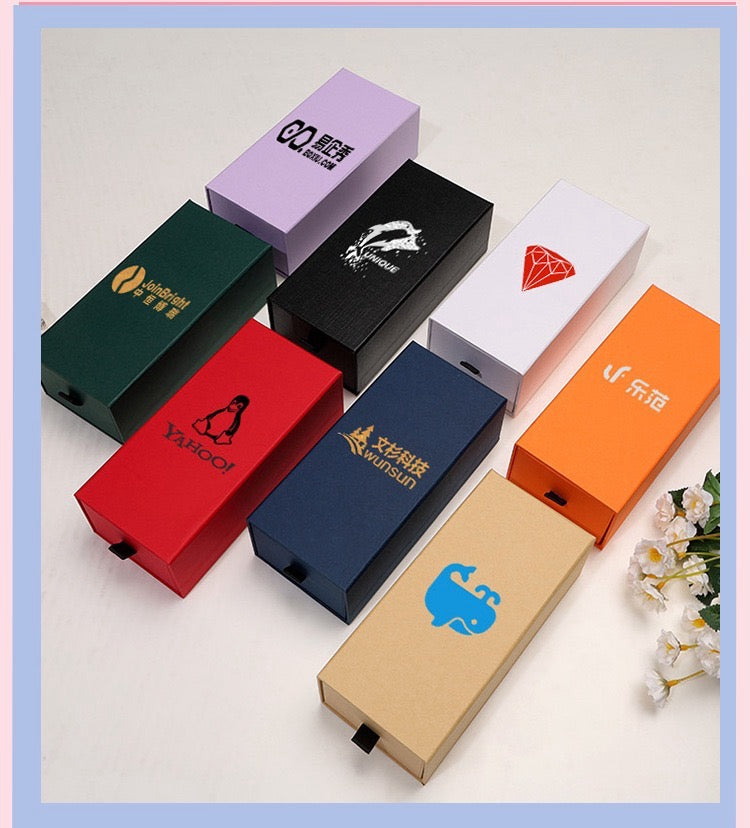
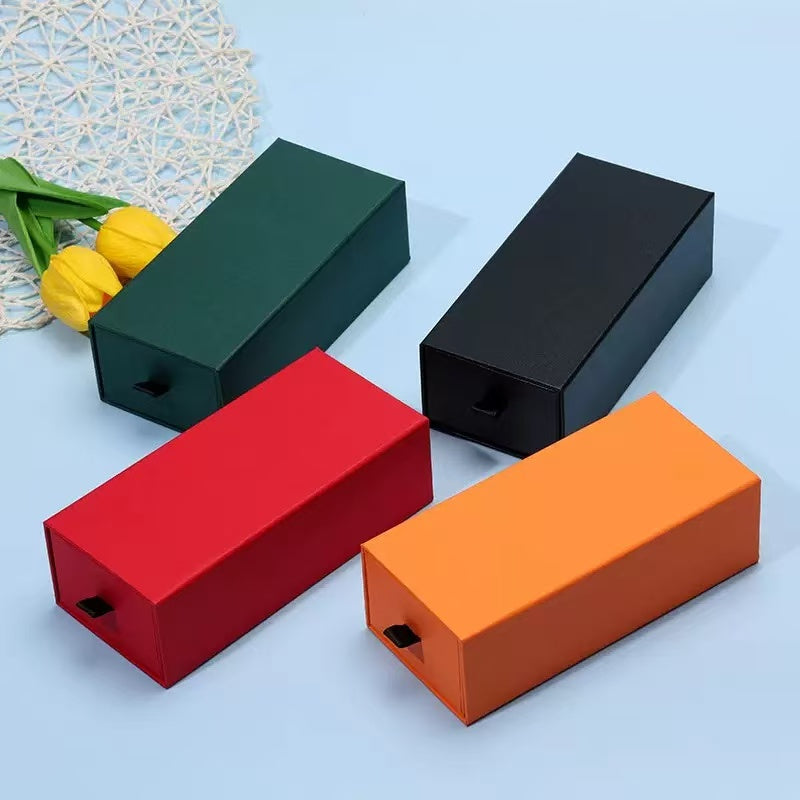
Need protective packaging for your shipments?
Compare options with our team before you commit to a carton size. Share your product dimensions and shipping volume and we will confirm suitability.
Related articles
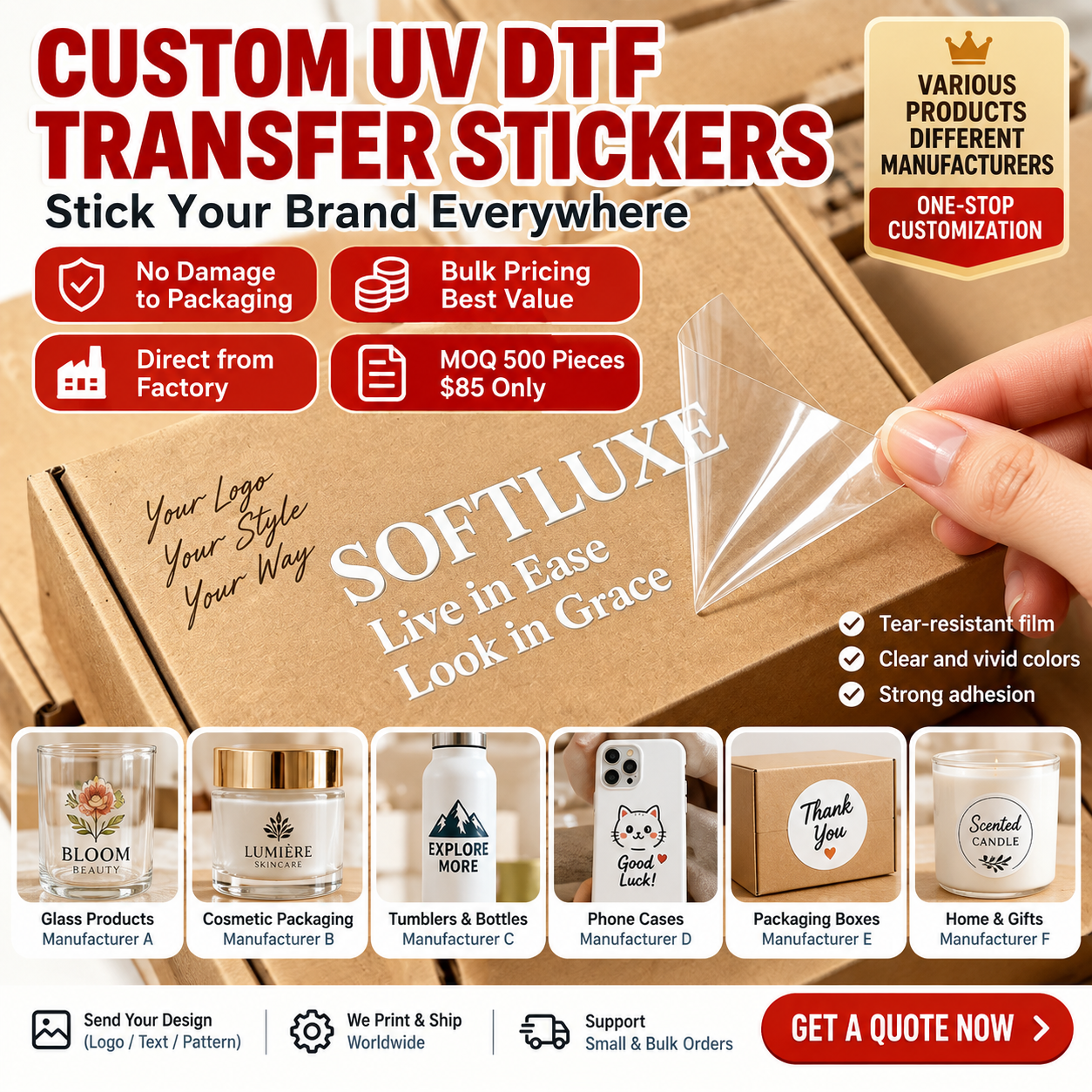
UV DTF Transfer Stickers vs. Traditional Vinyl Labels: Waterproof & Scratch-Resistant Packaging Guide
Compare UV DTF transfer stickers with traditional vinyl labels for packaging: surface compatibility, waterproof performance, scratch resistance, artwork setup and ordering at $85 per 500 pcs.
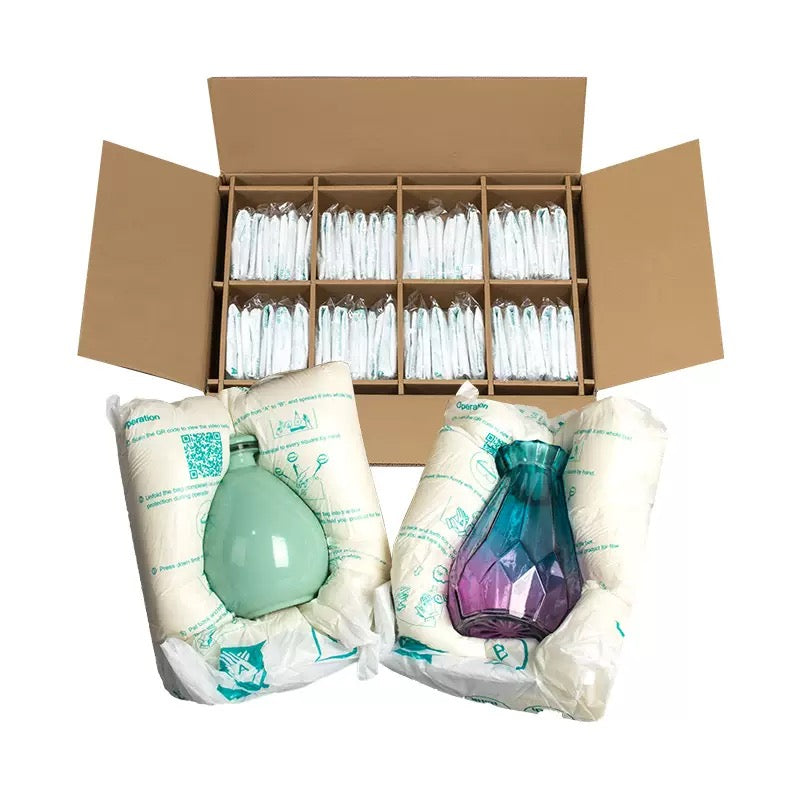
Expanding Foam Packaging Bags vs. Bubble Wrap & Air Pillows: Which Protects Fragile Shipments Better?
A B2B comparison of expanding foam bags, bubble wrap and air pillows for fragile shipments: cushioning behaviour, packing workflow, storage, landed cost and a practical test plan.