Why Your Ceramic Mugs Keep Arriving Broken (Even With Extra Bubble Wrap)
A customer opens a carton and finds a mug in pieces — again. The handle is snapped off, the rim chipped, and the bubble wrap you packed still looks intact. If that scene repeats, the instinct is to reach for more wrap. But extra material does not automatically mean less shipping damage.
For ceramic mug sellers, the pattern is often the same: breakage clusters around handles, rims and bases; the outer carton arrives clean; and the packing notes say "double wrapped." That combination points to movement inside the box, not to a shortage of film.
This guide covers a practical diagnosis, a breakage self-test you can run with your own SKUs, and the point at which bubble wrap alternatives such as Expanding Foam Packaging Bags start to make sense.
Why extra bubble wrap does not stop mug breakage
Bubble wrap absorbs surface contact and protects a printed mug from scuffs. What it does not do by itself is hold a product still.
A ceramic mug is an awkward shape: the handle sticks out, the rim is thin, and the base carries the weight. Wrap around the body leaves the handle exposed; wrap around the handle can press on the weakest point. Under vibration, it can rotate or slide until a weak point hits the carton wall or another mug.
More film can work against you: bulky wrap compresses in transit, leaving the mug loose in a carton that looked full. Oversized parcels also raise dimensional weight, so costs climb while damage remains.
Read the damage pattern first
Before comparing suppliers, keep consistent notes for a short period.
- Where is the break? Handles, rims and bases suggest point impact; cracks across the body suggest compression or a weak carton.
- Is it SKU-specific? One shape failing repeatedly is a geometry problem, not a carrier problem.
- How does the carton arrive? A clean carton usually means the shock happened inside. A crushed one points to stacking or sealing.
- What happens at the station? Do packers use the same layer count at the end of a shift?
- When do claims spike? Peak-season volume often changes handling and carton mix.
This record is your baseline; without it, any material change is a guess.
Where bubble wrap still earns its place
Bubble wrap is not the enemy. It remains useful for surface protection, for separating stacked items and for light, regular products that fit snugly. Many ceramic shipments keep it as an inner layer even when the outer cushioning changes.
The mistake is asking one material to do two jobs. Film protects the mug's surface; it is less effective at immobilising the mug inside the carton.
How expanding foam bags behave differently
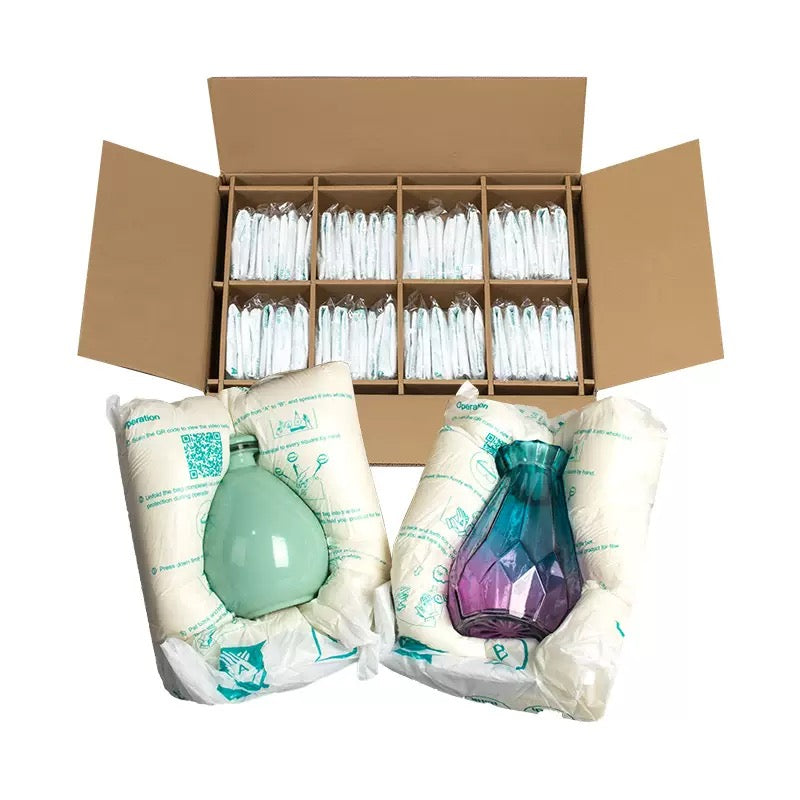
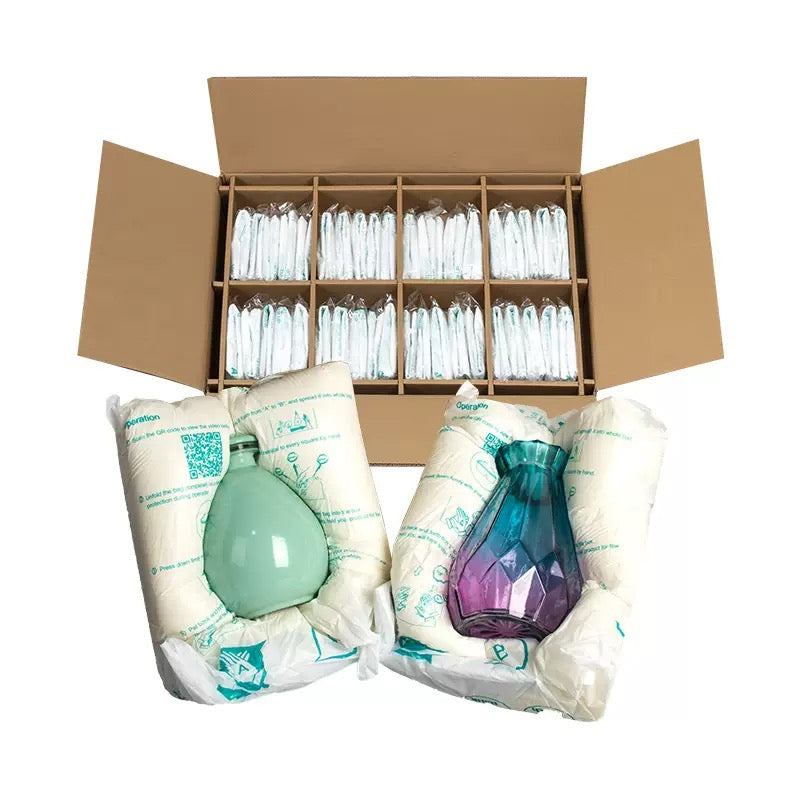
NOX expanding foam bags contain an internal liquid material. Patting and pressing the bag by hand activates expansion — no dispenser machine, pump or cartridge is needed. The bag goes into the carton and the mug is positioned while the material expands, forming a cushion around the shape instead of wrapping a sheet around it.
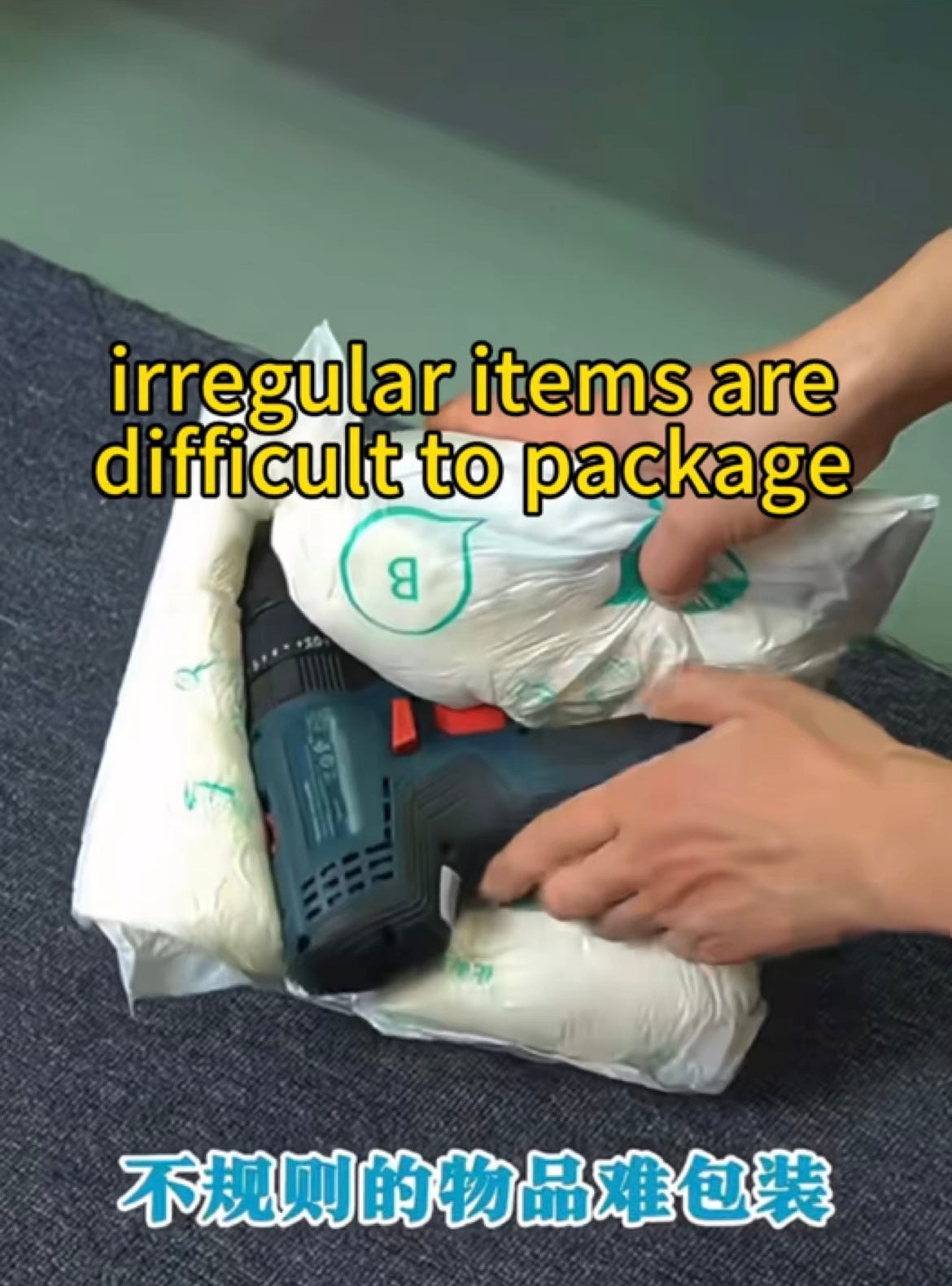
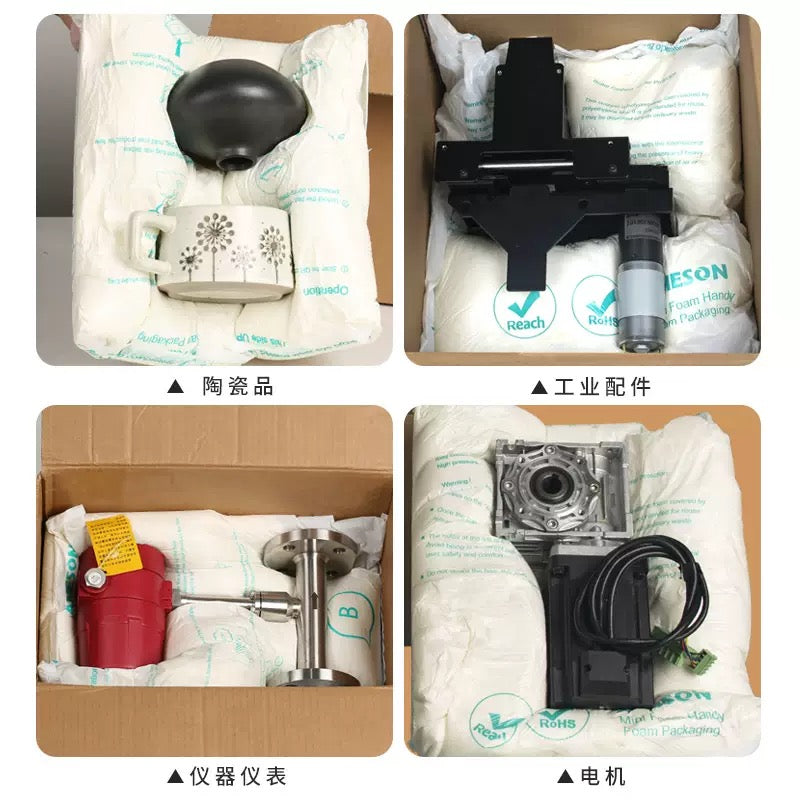
For handled mugs, the cushion forms around protrusions and fills space the mug could move through. The bags store flat, so the same shelf space holds more shipments' worth of protection than film rolls. Follow the manufacturer's activation instructions and confirm bag size against your carton before a production run.
Bubble wrap, foam-in-bag and loose fill compared
| Question | Bubble wrap | Expanding foam bags | Loose fill |
|---|---|---|---|
| Principle | Air-pocket surface cushioning | Cushion forms around product | Voids filled with loose pieces |
| Handles, rims | Technique-dependent | Forms around protrusions; test SKU | Can settle; parts exposed |
| Movement control | Limited unless carton is tight | Designed to reduce shifting | Pieces can migrate |
| Station workflow | Ready from the roll | Manual patting and pressing | Manual filling |
| Storage | Bulky rolls | Flat cartons | Very bulky |
| Best fit | Light, regular shapes | Irregular fragile items | Light, low-value goods |
| Watch out for | Over-wrapping, dimensional weight | Correct size and activation training | Settling, mess, storage use |
No row promises an end to breakage. Use the table to decide what to test, then let your results decide.
A breakage self-test before you switch
Do not convert a live packing line on the strength of a comparison article. Run a contained test.
- Pick your worst-breaking mug SKU, not the easiest one.
- Use the same carton and carrier route for both methods.
- Pack ten orders with your current wrap method and ten with the candidate method.
- Note any visible movement after sealing, and which parts are protected.
- Apply your customers' drop or vibration standard, or the same handling for both groups.
- Record packer time, materials, carton size and damage.
- Repeat the round once before drawing a conclusion.
Judge damaged orders per batch and total packaging costs — material, labor, shipping weight and replacements — not the price of one roll.
Procurement checklist
Work through this list with any protective packaging supplier:
- Share mug dimensions, weight and carton inner dimensions, including handle projection.
- Confirm bag sizes per SKU and whether more than one size is needed.
- Check carton quantities. The current NOX listing shows 10# at 120 bags, 20# at 90, 40# at 78 and 100# at 66 per carton; exact dimensions remain subject to factory confirmation.
- Ask how activation is trained.
- Test samples on your real product before committing to bulk.
- Request a quote with SKU dimensions, carton sizes and monthly volume.
- Confirm delivery terms and what documentation is actually available.
Mistakes that keep damage high
Treating more layers as the same thing as immobilisation is the common trap. Under-filling a carton is another: a cushioned mug can still move. One bag size for a whole mug range leaves the largest SKU exposed or the smallest over-packed. Weak cartons, poor sealing and inconsistent packer training can erase any cushioning advantage. Changing materials on price alone ignores higher labor, heavier parcels and replacement shipments.
The practical verdict
If mugs break while the carton looks fine, stop counting layers and look at movement. Bubble wrap still protects surfaces. A cushion that forms around the mug addresses a different failure: the handle or rim hitting something because the mug could shift.
Run the self-test on your worst SKU first. If the cushioning approach wins on damage and total cost, you have a defensible reason to scale it — and a baseline for comparing protective packaging suppliers.
Test it on your own worst-breaking SKU. Order the $19.90 Expanding Foam Sample Kit — flat-pack storage, expands on demand, no dispenser machine — or request a bulk quote with your SKU dimensions and monthly volume.
Try the expanding foam bags before you commit to bulk
- 4 bags included — 2 × Size #10 and 2 × Size #20
- 100% of the $19.90 is credited toward your first bulk wholesale order
- No dispenser machine required — squeeze the bag and it expands in seconds
- Ships from our US DDP channel — duties and clearance included, no hidden fees
Frequently asked questions
Why do ceramic mugs break even when they are wrapped in extra bubble wrap?
Bubble wrap protects surfaces, but it does not necessarily stop a mug from moving inside a carton. Handles, rims and bases concentrate impact at small points. A wrapped mug can still shift or rotate until it hits the carton wall or another item.
How much bubble wrap is enough for a ceramic mug?
There is no universal number of layers. It depends on mug shape, weight, carton size and the shipping route. Test your own worst-breaking SKU with your real carton and carrier, and compare results rather than guessing from a layer count.
Are there bubble wrap alternatives for shipping mugs in bulk?
Yes. Options include moulded pulp trays, foam-in-bag cushions and other void-fill systems. Expanding foam bags are one option when the goal is to reduce movement around irregular shapes such as handles. Suitability should be confirmed with your own packaging test.
What should we ask a protective packaging supplier before placing a bulk order?
Ask for available bag sizes and carton quantities, the activation steps at the packing station, and a sample you can test on your own SKU. Share mug dimensions and monthly volume for a quote. Confirm in writing what documentation and delivery terms are actually offered.
Related products
Need protective packaging for your shipments?
Compare options with our team before you commit to a carton size. Share your product dimensions and shipping volume and we will confirm suitability.
Related articles
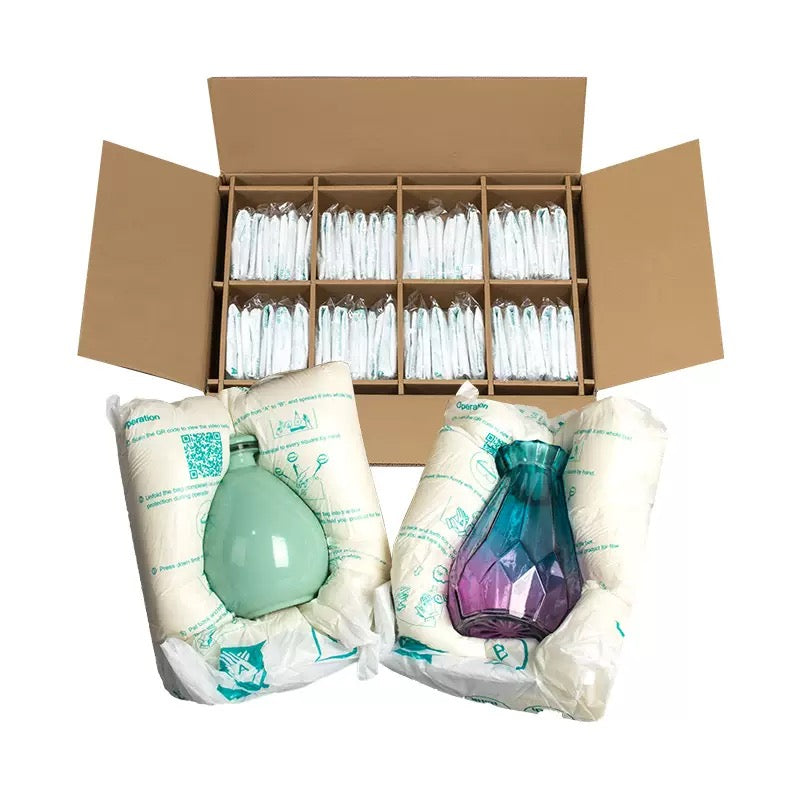
Expanding Foam Packaging Bags vs. Bubble Wrap & Air Pillows: Which Protects Fragile Shipments Better?
A B2B comparison of expanding foam bags, bubble wrap and air pillows for fragile shipments: cushioning behaviour, packing workflow, storage, landed cost and a practical test plan.
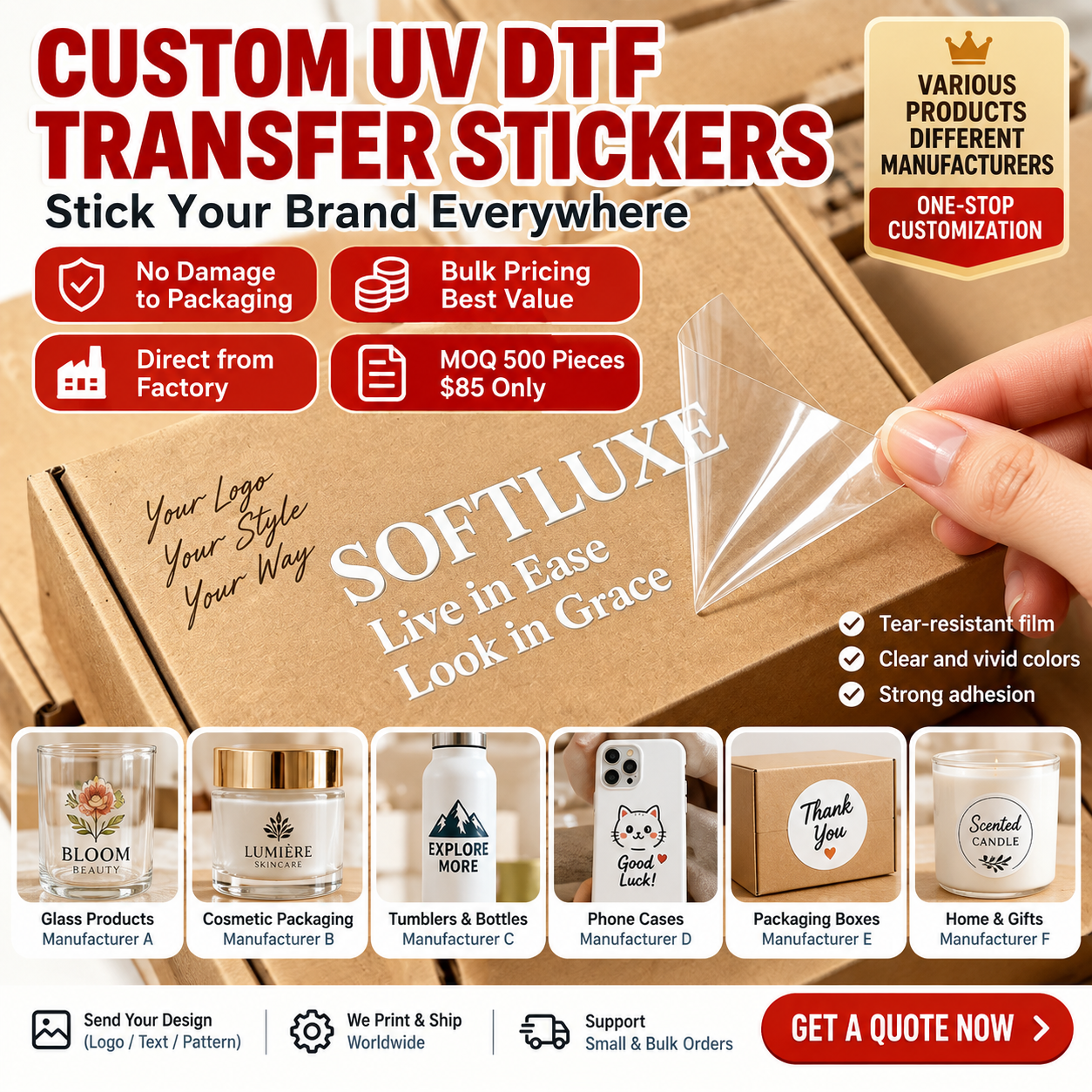
UV DTF Transfer Stickers vs. Traditional Vinyl Labels: Waterproof & Scratch-Resistant Packaging Guide
Compare UV DTF transfer stickers with traditional vinyl labels for packaging: surface compatibility, waterproof performance, scratch resistance, artwork setup and ordering at $85 per 500 pcs.
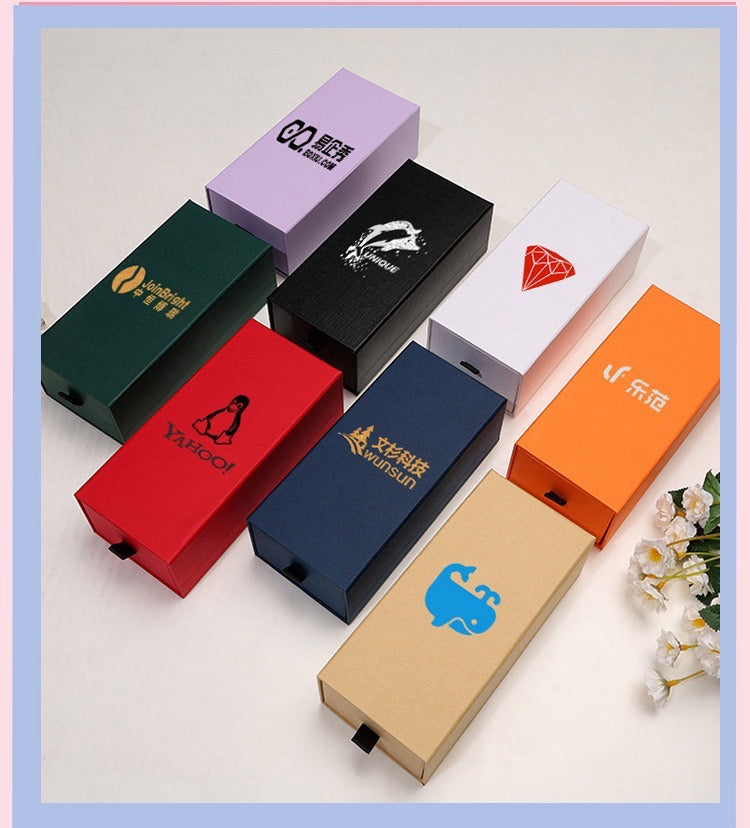
How to Order Custom Luxury Rigid Boxes with Low MOQ (300 pcs) & DDP Shipping to the USA
A practical B2B guide to ordering custom rigid gift boxes with 300 pc low MOQ, artwork preparation, sample approval, DDP shipping to the USA and cost control.